Sunday, October 25, 2026 | St. Lawrence County, NY
Assemblyman Scott Gray has called on Governor Kathy Hochul to veto legislation that would place a one-year moratorium on data center development in the state, saying concerns raised deserve a …
This item is available in full to subscribers.
To continue reading, you will need to either log in to your subscriber account, or purchase a new subscription.
If you are a digital subscriber with an active, online-only subscription then you already have an account here. Just reset your password if you've not yet logged in to your account on this new site.
Otherwise, click here to view your options for subscribing.
Please log in to continue |
 BY JEFF CHUDZINSKINorth Country This Week
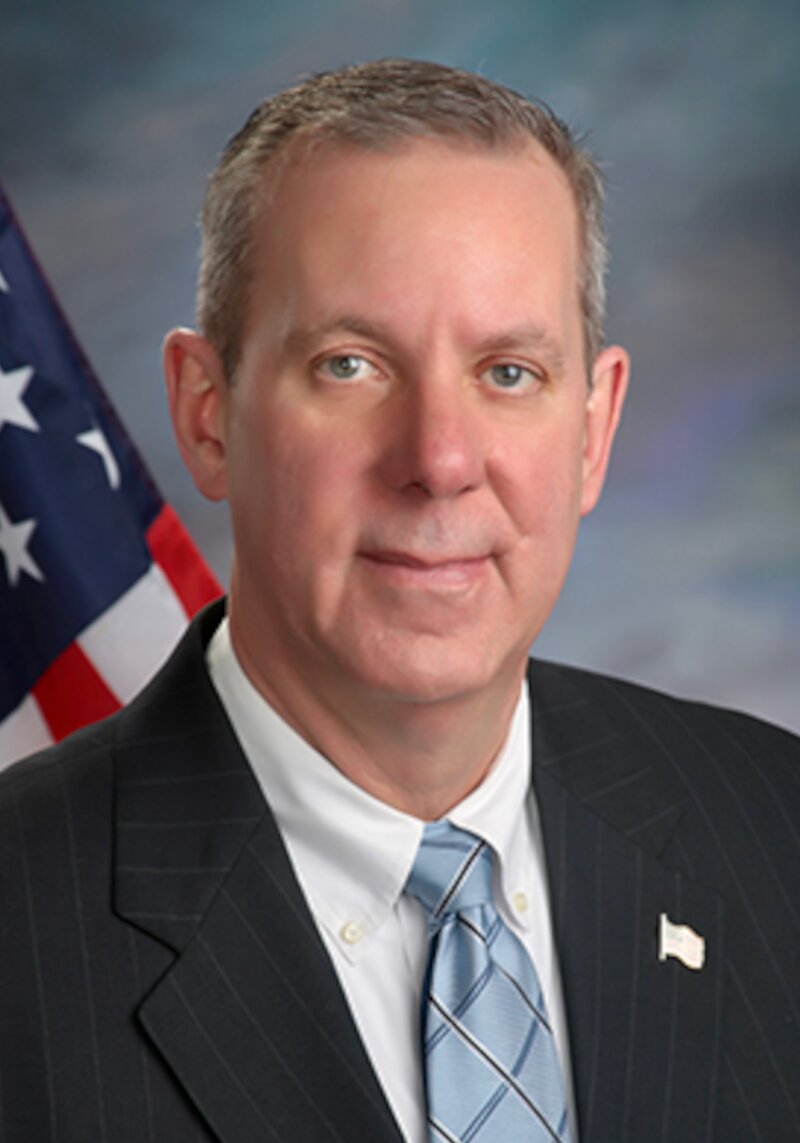
Assemblyman Scott Gray has called on Governor Kathy Hochul to veto legislation that would place a one-year moratorium on data center development in the state, saying concerns raised deserve a "serious response."
The moratorium could impact a number of projects being eyed for development in St. Lawrence County.
“Residents are right to ask hard questions about noise, water use and what these facilities mean for their electric bills. I hear those same questions in my district, and they deserve real answers, not a shrug,” said Assemblyman Gray.
“But a statewide moratorium is the wrong answer to the right questions. It freezes investment, takes decisions away from the communities that should be making them and duplicates or ignores work the governor’s own administration already has underway. The responsible path is to set clear, firm standards and let willing communities decide for themselves. That is exactly what my proposed legislation does.”
Numerous states have attempted to pass moratoriums and, at times, outright bans on data centers, however many have failed as they reached the governors' desks.
In Maine, Governor Janet Mills vetoed what would have been the first ban in the U.S. this April.
In a release, Mills said the amount of job creation, tax revenue and economic revitalization were too great to implement a "blanket pause" that would jeopardize projects already in development.
It's a concern shared in Massena as well, as NYDIG plans an expansion project at the former Alcoa East site.
NYDIG now owns a large portion of the location, though Alcoa has retained around 800 acres that is a superfund site. That property requires constant monitoring and testing, hence Alcoa retaining that portion of the property.
As part of their plan, NYDIG officials say the project will include the construction of three buildings that range in size from roughly 450,000 to 515,000 square feet.
The construction phase will bring roughly 2,000 jobs to the North Country, they said.
Once fully operational around 200 full-time employees will be based in Massena, officials said.
NYDIG official Josh Burandt, head of strategic investments and power at NYDIG, presented to the Massena Town Board and Massena Planning Board last month.
Burandt told board members and attendees the project has been in the works "for several years now" and is not a project that just recently popped up.
The project is sited at the former Alcoa East location where North Country Collocation Services (NCCS) currently operates.
NCCS currently employs around 60 employees and launched a strategic investment partnership with Coinmint in October 2024, a move company officials said would allow for the investment necessary to bring the entire project to fruition.
In total, plans call for the use of 635 megawatts of power.
Burandt said the firm had previously negotiated for an allocation of 435MW nearly a decade ago and are currently in discussions for an additional 200MW when the facilities come online.
Though many have said NYDIG would receive preferential treatment, Burandt said they would be buying power "just like everyone else."
But more than 80 residents packed both meetings to raise concerns, despite no public comment period being offered during the planning board presentation.
Issues from job creation, to environmental impact and increased utility rates were raised by the more than three dozen speakers.
Those issues are common across the U.S., in particular throughout rural communities that are being targeted by large tech firms hoping to set up shop.
Critics have called data centers and developers "predatory," saying they prey on small, rural towns that are usually impoverished and lack the resources and regulations necessary to properly vet the projects.
Still, there are some who continue to advocate for such projects to move forward.
In the event that were to happen in the North Country, Gray said the state needs to take a much deeper look at the overall impact.
One reason he has called for a veto of the legislation as it is currently presented is because work is already underway.
"The work is already underway. At the governor’s own direction, the Public Service Commission opened the Energize NY Development proceeding in February to reform interconnection, cost allocation and tariff structures for large energy loads, including data centers, built on a beneficiary-pays principle. A.11560 legislates over that open record and second-guesses an expert process before it has even been reported," he said.
Existing processes already provides years of review as well, he said.
"Between the New York Independent System Operator interconnection and reliability studies, utility engineering, procurement and construction, no large data center can be energized in New York in under three years. The bill’s pause, stretched by its own study timeline and comment period, adds nearly two years of additional delay on top of a process that already provides ample scrutiny, and it sends exactly the wrong message to the economic development community," he said.
Gray also said portion of the language regarding siting oversteps the authority of local municipalities.
"Siting belongs to local communities. Albany’s job is to set the regulatory framework, facilitate interconnection and protect ratepayers and grid reliability. It is not Albany’s job to decide for a town or village whether it wants one of these projects. That is a local decision, and it should remain one," he said.
Nuclear development would also be pushed to the wayside, something the state cannot afford to do, Gray said.
"The bill runs counter to the governor’s own initiative on nuclear energy development. By requiring renewable energy rather than clean, zero-emission energy, the bill excludes nuclear power from the equation, even as nuclear provides roughly 20% of New York’s carbon-free electricity and the governor pursues one of the most consequential nuclear energy advancements in a generation. Large, steady baseload customers like data centers are exactly what can help make new nuclear projects bankable," he said.
The bill also undercuts farmland protection plans, Gray continued.
"Additionally, the bill’s renewable mandate undermines its own aspirations of farmland protection. These facilities operate around the clock and require reliable power. Meeting the bill’s on-site renewable energy requirements could consume hundreds of acres of the very farmland the bill aims to protect," he said.
A second piece of legislation currently exists that would address some concerns raised by residents.
Gray's "High-Energy User Act," A.11419, would establish a "beneficiary-pays structure" to ensure the costs incurred by the facilities are paid for by the companies, not the residents of host communities.
"“My bill takes every legitimate concern in this moratorium and answers it with a standard instead of a stop sign,” Gray said. “Protect ratepayers, protect water, protect communities and stay open to the infrastructure that powers everyday life and the well-paying trade jobs that come with it. Those goals are not in conflict, and New York does not have to choose between them. I stand ready to work with the governor and her team to get this right," Gray said.