Saturday, October 17, 2026 | St. Lawrence County, NY
State Assemblyman Scott Gray, R-Watertown, has introduced legislation he says is aimed at creating a framework for accommodating large-scale energy users while ensuring existing ratepayers, …
This item is available in full to subscribers.
To continue reading, you will need to either log in to your subscriber account, or purchase a new subscription.
If you are a digital subscriber with an active, online-only subscription then you already have an account here. Just reset your password if you've not yet logged in to your account on this new site.
Otherwise, click here to view your options for subscribing.
Please log in to continue |
 STAFF REPORTNorth Country This Week
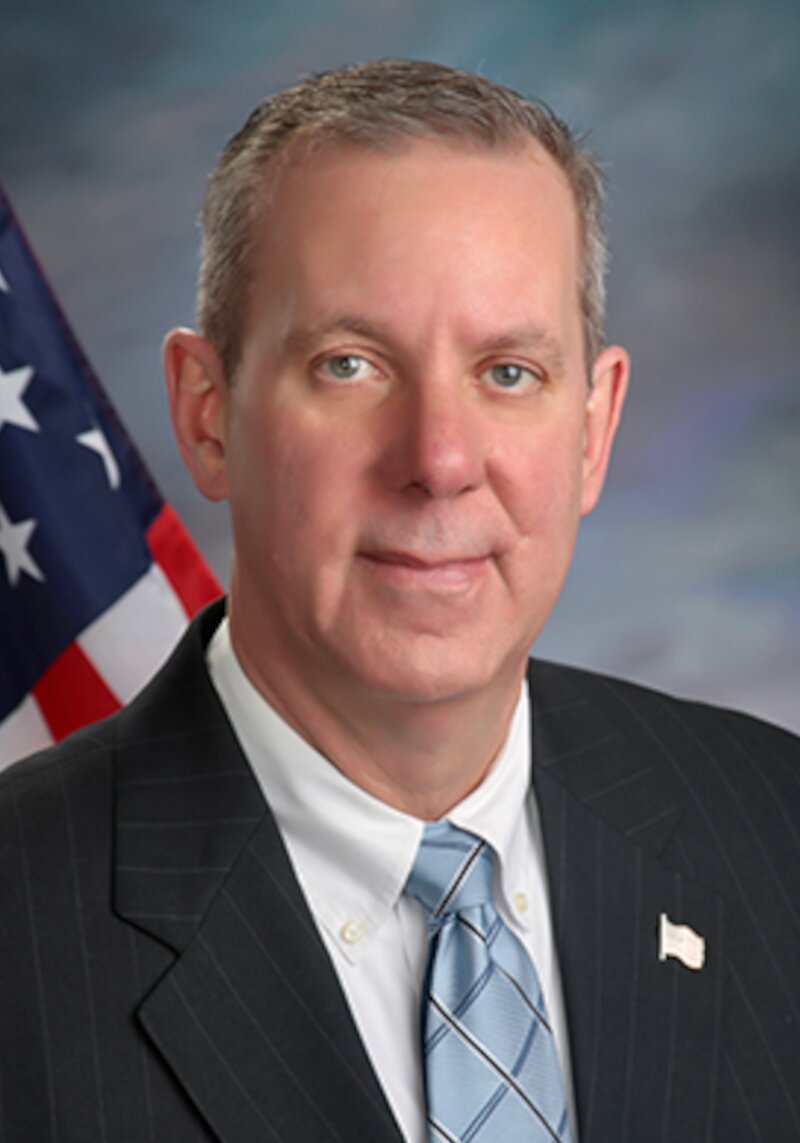
State Assemblyman Scott Gray, R-Watertown, has introduced legislation he says is aimed at creating a framework for accommodating large-scale energy users while ensuring existing ratepayers, electric infrastructure and natural resources are protected.
Assembly Bill A.11419, known as the High-Energy User Act, establishes guidelines for communities that choose to host major energy-consuming facilities such as semiconductor plants, advanced manufacturing operations and data centers.
Gray said the proposal is not intended to encourage or discourage such projects, but rather provide a structure should local governments decide they want to pursue them.
“New York should be open for business, and the North Country understands the impact major employers can have on a community,” Gray said. “This legislation is designed to attract investment in a way that benefits everyone. These facilities can help strengthen the grid, support new power generation, expand the tax base and create jobs, but everyday ratepayers should not bear the cost of that growth.”
The legislation outlines several potential benefits large energy users could bring to host communities and the state’s electrical system.
Among them is the ability for major industrial customers to help finance transmission infrastructure improvements that would benefit broader regions rather than just individual facilities.
The bill also recognizes the potential for these operations to support development of new dispatchable baseload power generation, increasing grid capacity and reducing pressure on existing energy supplies.
Gray said additional local benefits could include expanded property tax revenue supporting schools, municipalities and county services, along with direct and indirect job creation through construction, operations and supply chain activity.
Under the bill, “high-usage customers” would be defined as entities expected to increase electrical demand by at least 100 megawatts within five years.
The legislation would require those customers to assume all costs tied to their energy demand, including transmission upgrades, generation capacity additions and grid modifications, shielding residential and small-business ratepayers from additional expense.
Utilities would also be required to complete formal system impact studies before contracts move forward, evaluating grid effects, seasonal demand changes and infrastructure needs.
The proposal states utilities would not be obligated to serve or provide backup power to high-energy users outside terms specifically approved by the Public Service Commission, and those users would be required to maintain financial assurances covering their infrastructure impacts.
The bill establishes parameters for private generation systems operating independently of the public grid, an approach intended to reduce strain on existing utility infrastructure.
Environmental provisions are included as well, particularly addressing water usage associated with large-scale computing and power operations. The bill would amend state Public Service and Environmental Conservation laws to require regulatory review and environmental protections.
“If communities want investment, the grid needs reinforcement and the environment deserves protection, those goals do not have to conflict,” Gray said. “This bill creates a standard that brings major employers in as partners rather than shifting costs onto families and small businesses already paying their monthly bills.”
The bill has been introduced and referred to the Assembly Energy Committee.